
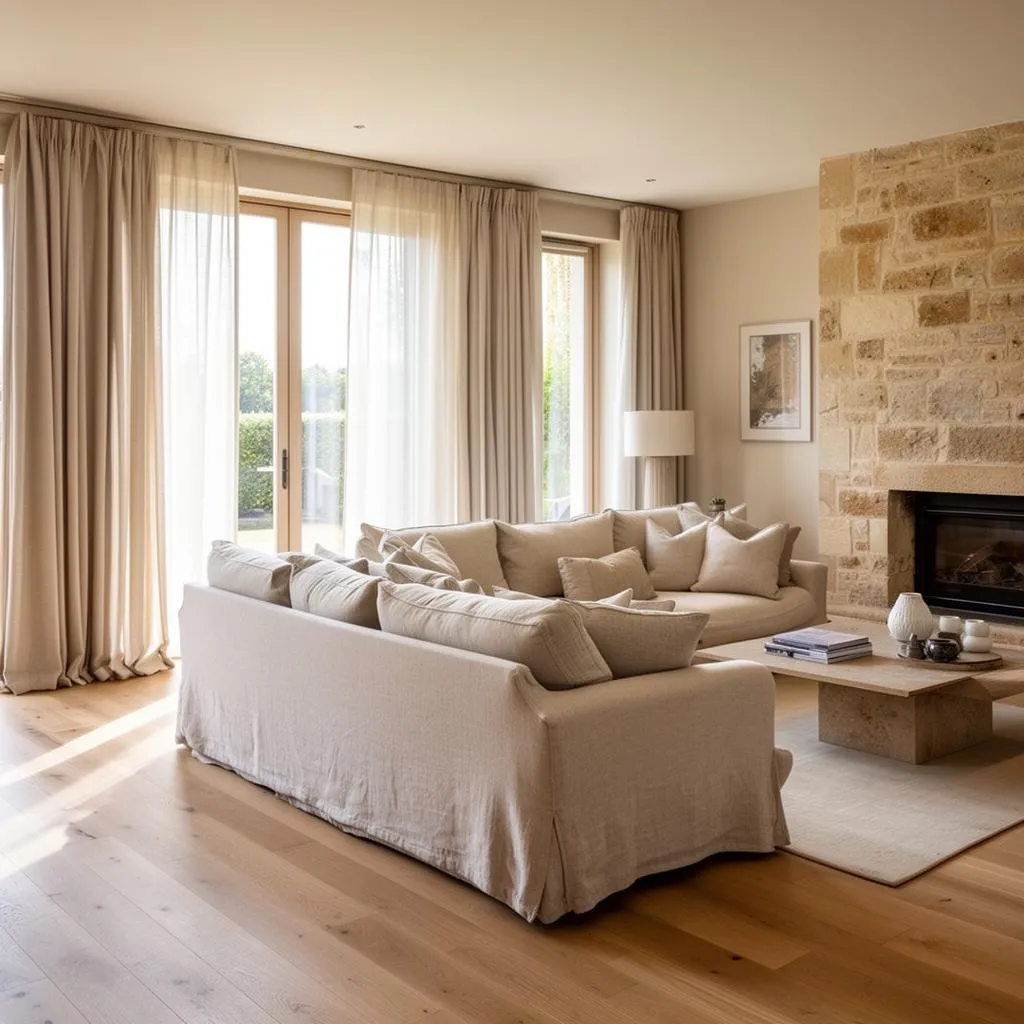
In many high-end homes, cleaning is done regularly — but still doesn't feel complete. The home is technically serviced, yet the owner is still thinking about it. That gap is the hidden cost, and it shows up as mental load, lost time, and a quiet erosion of trust in the service.
The time you don't see
For business owners, executives and professionals running large households, the most expensive part of an inconsistent cleaning service isn't the invoice. It's the time and attention it continues to consume after the service has left:
- Walking through to check what was missed
- Re-explaining preferences to whoever arrived that week
- Quietly redoing details before guests arrive
- Managing keys, access, parking and timing
- Holding the standard the service was meant to hold
This is the mental load layer — and it is well documented. A 2025 study published on family wellbeing found that people who perceive their homes as more cluttered or unfinished report measurably lower life satisfaction and higher negative affect, with the effect significantly stronger for women. Earlier work by Saxbe and Repetti at UCLA found that people who described their homes as cluttered or unfinished showed flatter, more stress-typical cortisol patterns across the day.
In other words: a home that isn't quite held doesn't just look unfinished. It is physiologically read as unfinished, every time you walk through it.
Why it happens
Without structured systems behind the service, the same gaps appear in almost every household:
- Standards vary depending on who attends
- Details — linen, surfaces, bathrooms, entry zones — are interpreted, not defined
- Presentation drifts between visits
- There is no single person responsible for the overall condition of the home
The American Time Use Survey consistently shows that even in high-income households, several hours per week are spent on household management and oversight — much of which is invisible coordination rather than physical work. For a senior professional whose time is the scarcest resource in the household, the real cost of inconsistency is measured in returned hours, not dollars.
What high-end homes require
Premium homes are not asking for more cleaning. They are asking for a held standard:
- Consistency from visit to visit, regardless of who attends
- Attention to the details that define a home's presentation
- Ongoing maintenance of the condition — not just the surface
- Discretion, trust and seamless execution
A more structured standard
With systems in place, the experience changes shape:
- Nothing is overlooked, because nothing is left to memory
- The home presents the same way every week
- Mental load returns to zero between visits
- The owner stops managing the service and starts living in the home
The household isn't buying cleaning. It is buying a home that runs smoothly and maintains itself without their involvement — and the time, focus and calm that returns when it does.
or to discuss your space.